اطلب الآن كتاب “قادة التنمية المستدامة” للدكتور راشد محمد كركين

The Society of Scholars recognizes that knowledge is one of society’s most valuable assets and that its effective transfer across generations is essential for sustaining scientific progress, innovation, and development.
In alignment with its objectives, the Society seeks to establish and support programs that facilitate the transfer of knowledge, expertise, experience, and research skills between experienced researchers, academics, professionals, and future generations.
Through these initiatives, the Society contributes to preserving intellectual capital, strengthening research capacity, and supporting the continued advancement of scientific knowledge.
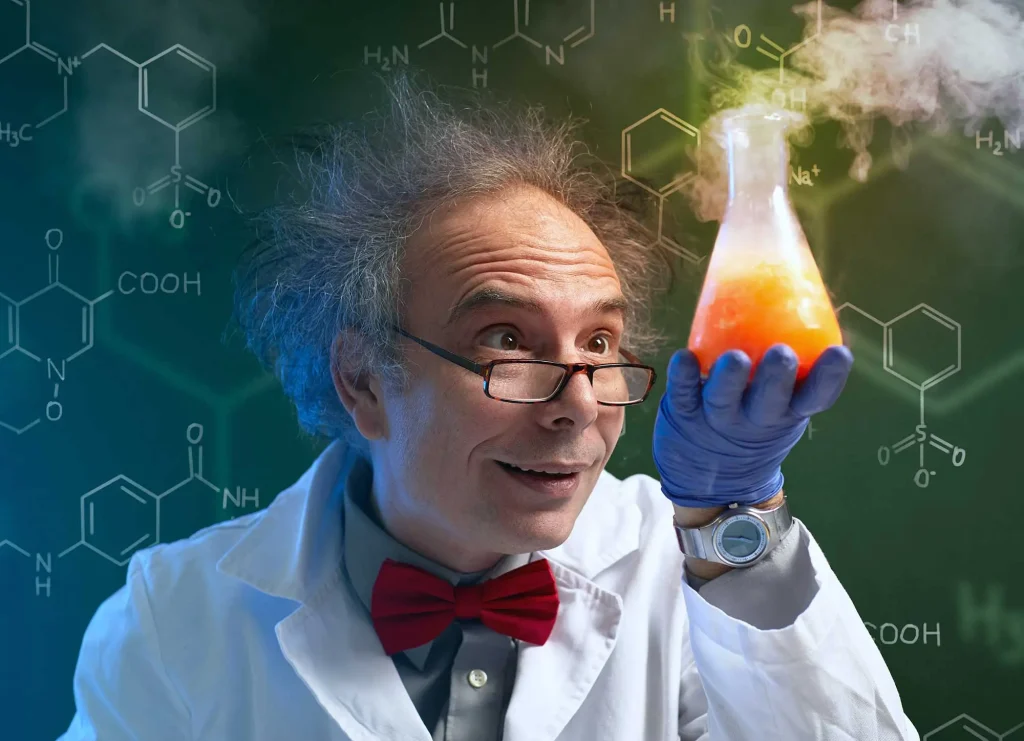
The Society serves as a platform that brings together experienced scholars, researchers, professionals, and emerging researchers to encourage the exchange of ideas, experiences, and lessons learned.
By fostering meaningful engagement across generations, the Society seeks to strengthen the research community and ensure that valuable knowledge and expertise continue to benefit future researchers and society as a whole.
The Society encourages mentorship initiatives that support students, early-career researchers, and individuals seeking to develop their research capabilities. Such initiatives may include:
Mentorship contributes to the development of future researchers while promoting continuous learning and professional growth.
Research mentorship programs.
Academic and professional guidance.
Research career development support.
Knowledge-sharing sessions.
Peer learning opportunities.
Expert consultations and discussions.
The Society values the expertise and experience of academics, researchers, and professionals whose contributions can support the development of future generations.
Knowledge transfer activities may include:
These activities provide opportunities to learn from accomplished professionals and gain insights into research, innovation, and professional practice.


Knowledge transfer programs may also focus on developing research and publication competencies through activities that support:
These programs help participants strengthen their ability to contribute effectively to scientific research and knowledge development.
The Society is committed to supporting students, young researchers, and emerging professionals by providing opportunities for learning, engagement, and professional development.
Through knowledge transfer initiatives, participants can benefit from the experiences of established researchers while building the skills needed to contribute to future scientific and societal advancement.
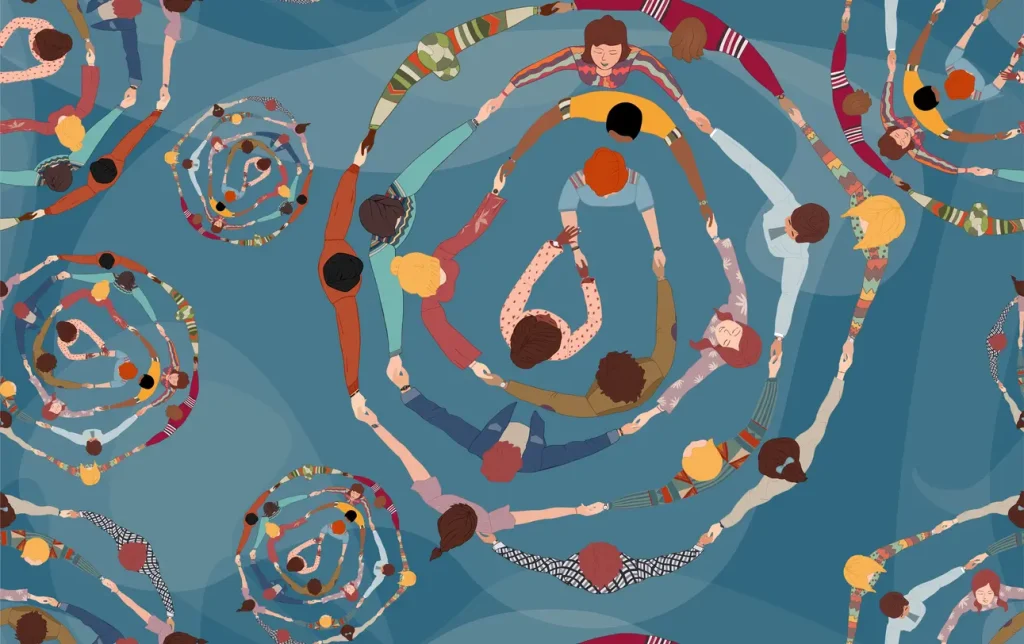
Knowledge transfer is not limited to academic environments. The Society seeks to encourage the practical application of knowledge and expertise in ways that contribute to innovation, sustainable development, and societal progress.
By connecting knowledge with action, the Society supports the creation of solutions that address real-world challenges and generate meaningful impact.

The Society promotes a culture that values learning, collaboration, mentorship, and the responsible sharing of knowledge.
By encouraging open dialogue and continuous exchange of expertise, the Society contributes to the development of a strong and resilient research community that benefits present and future generations.
The Society will continue to develop initiatives and partnerships that strengthen knowledge transfer, support mentorship, encourage lifelong learning, and contribute to building future generations of researchers, innovators, and leaders.
Interested in sharing your expertise, participating in mentorship initiatives, or supporting future generations of researchers?
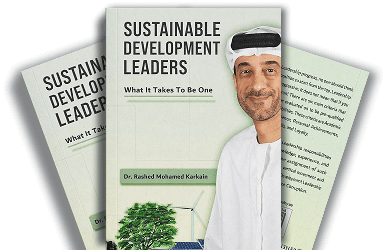
Buy Now Get the copy now for only AED 70
Society of Scholars
جمعية الباحثين
Research for Impact
البحث من أجل الأثر
Dubai, United Arab Emirates
Website:
www.scholars.ae
© Society of Scholars. All Rights Reserved.
التدريب والاستشارات المتخصصة في مجال الاستدامة البيئية والاقتصاد الدائري والحياد الكربوني
© ٢٠٢٦ جمعية العلماء. جميع الحقوق محفوظة.